Not Your Parents' Water Park
For years, water parks had an image problem. They were the slightly embarrassing cousin of the theme park — chlorine-soaked, sunburn-inducing places where the biggest thrill was a fibreglass tube slide that hadn't been updated since 1994. Fun, sure. But glamorous? Hardly. That perception is changing fast, and the numbers tell the story. Global water park revenue exceeded 25 billion dollars in 2025, with new mega-parks opening across the Middle East, Southeast Asia and Europe.
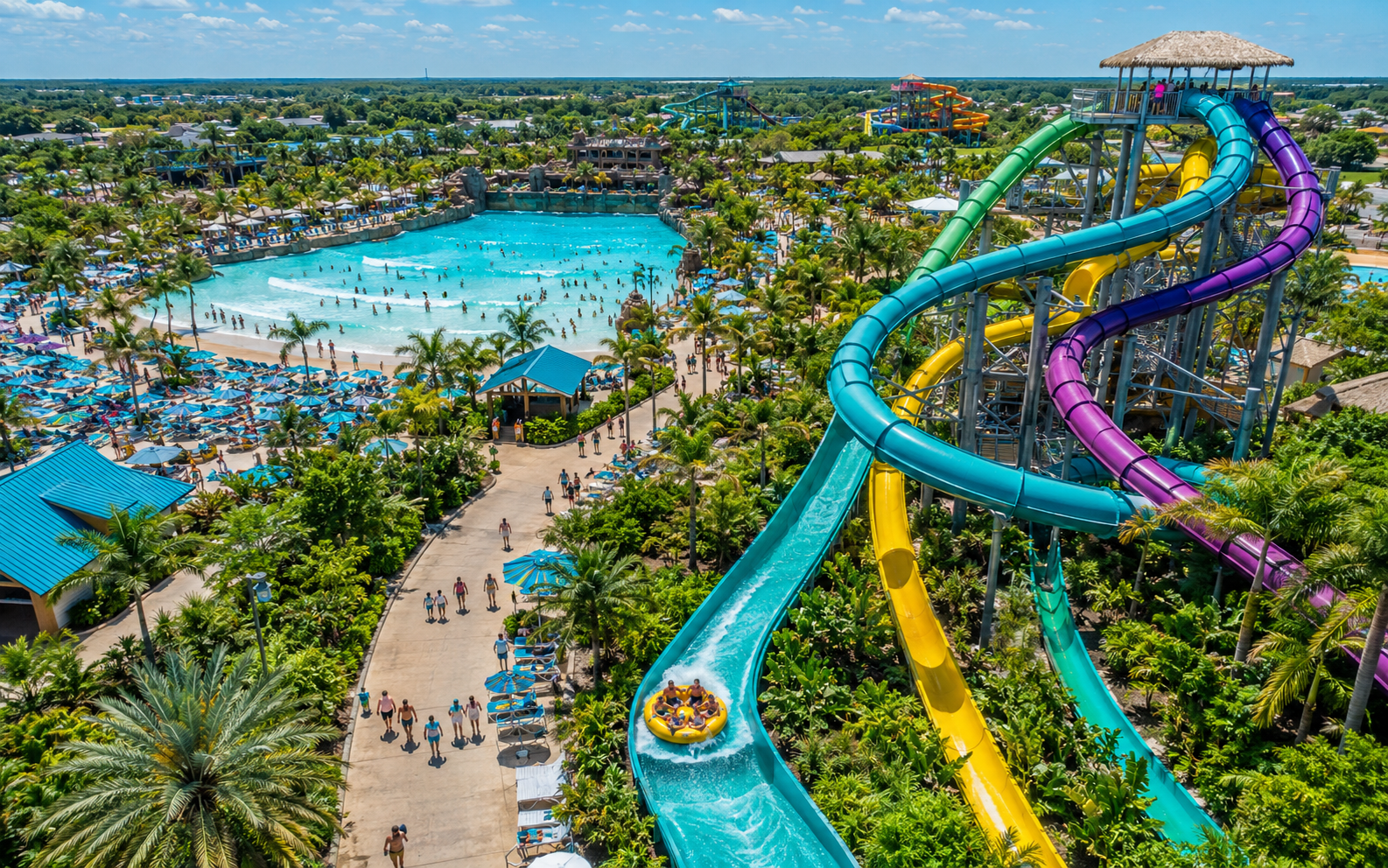
The shift started when developers realised that water parks could be more than collections of slides. As the Smithsonian Magazine has documented in its coverage of leisure industry trends, the modern water park is a fully themed destination with story-driven attractions, luxury cabanas, wave technology that generates surfable breaks and temperature-controlled environments that operate year-round. The water park of 2026 looks nothing like the one you remember from childhood.
Technology Changes Everything
The biggest driver of the water park renaissance is technology. ProSlide, WhiteWater and other manufacturers have developed ride systems that were impossible a decade ago. Magnetic launch slides can propel riders uphill. Hybrid coaster-slides combine traditional water flume elements with roller coaster track. Artificial wave generators like those made by Surf Lakes and Wavegarden create perfect ocean-style waves in landlocked locations, opening up surfing to millions of people who live nowhere near a coast.
Indoor water parks have benefited most dramatically. Therme Group, a European operator, is building massive glass-roofed wellness resorts that combine waterslides with thermal baths, saunas and botanical gardens. Their Manchester project, covering 28 acres, will be one of the largest indoor water parks in the world when it opens. The concept blurs the line between water park, spa and botanical garden — and it works in any climate.
The Middle East and Asia Lead the Way
Some of the most ambitious water parks are now in the Gulf states and Southeast Asia. Yas Waterworld in Abu Dhabi features 40 rides themed around a lost Emirati pearl-diving village. Atlantis Aquaventure in Dubai holds the record for the world's largest waterpark, with over 105 slides spread across multiple towers connected by a lazy river system that stretches for kilometres. In Vietnam, VinWonders parks combine water attractions with theme park rides and aquariums in integrated mega-resorts.
Asia's growth is driven partly by climate — year-round warm weather makes outdoor water parks viable — but also by a young, growing middle class with disposable income and a hunger for leisure experiences. Water parks are cheaper to build than full theme parks, faster to construct and easier to expand incrementally. For developers, the economics are compelling.
What Comes Next
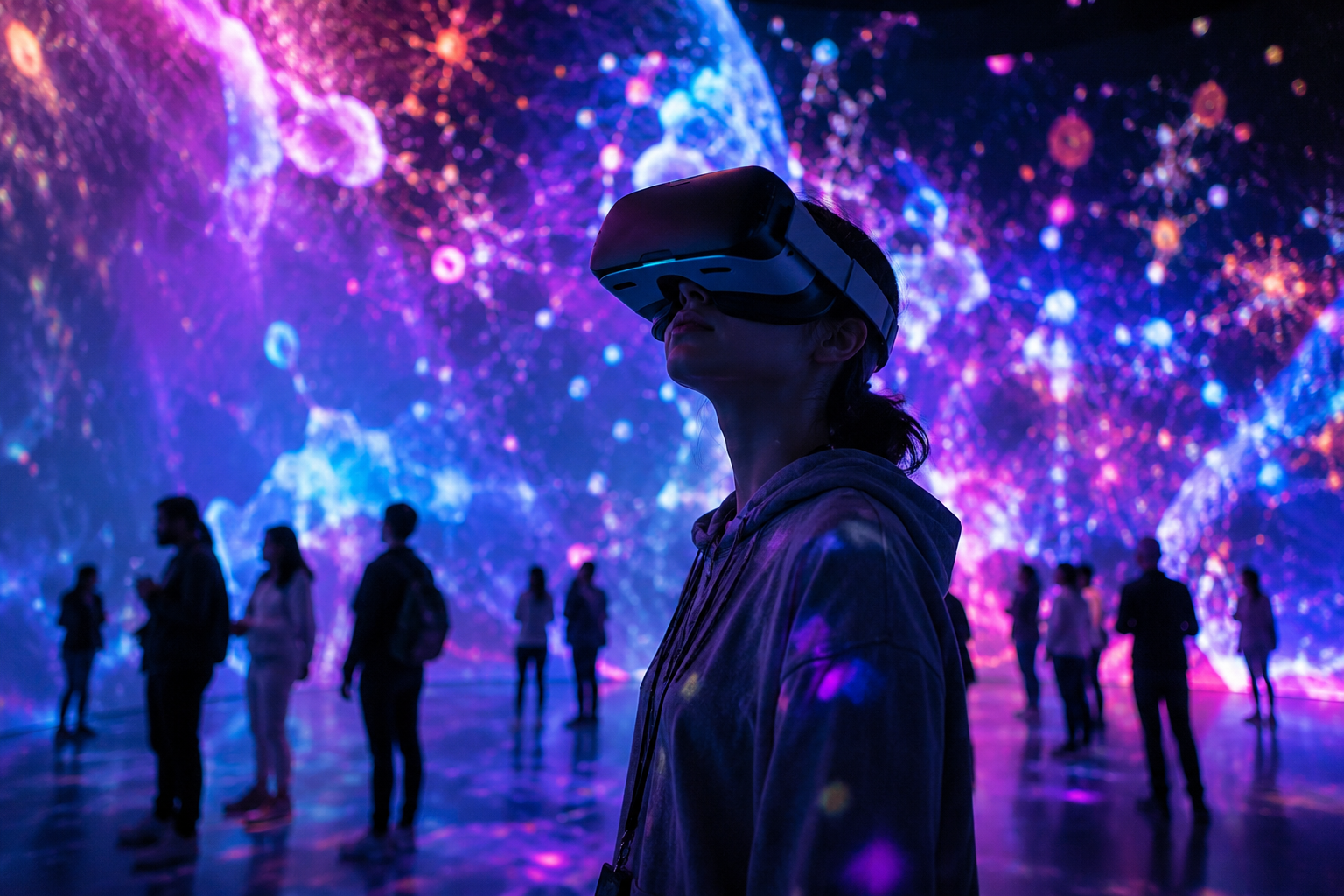
The next wave of innovation is already visible. Virtual reality waterslides that project environments onto enclosed flume sections are in testing at parks in Germany and South Korea. Heated outdoor pools with adjustable currents allow parks to operate through winter months in temperate climates. Sustainability is becoming a priority too, with closed-loop water systems, solar-heated pools and natural filtration replacing traditional chemical treatment. The water park renaissance isn't just about bigger slides — it's about reimagining what a day at the water park can be.