The Original Entertainment
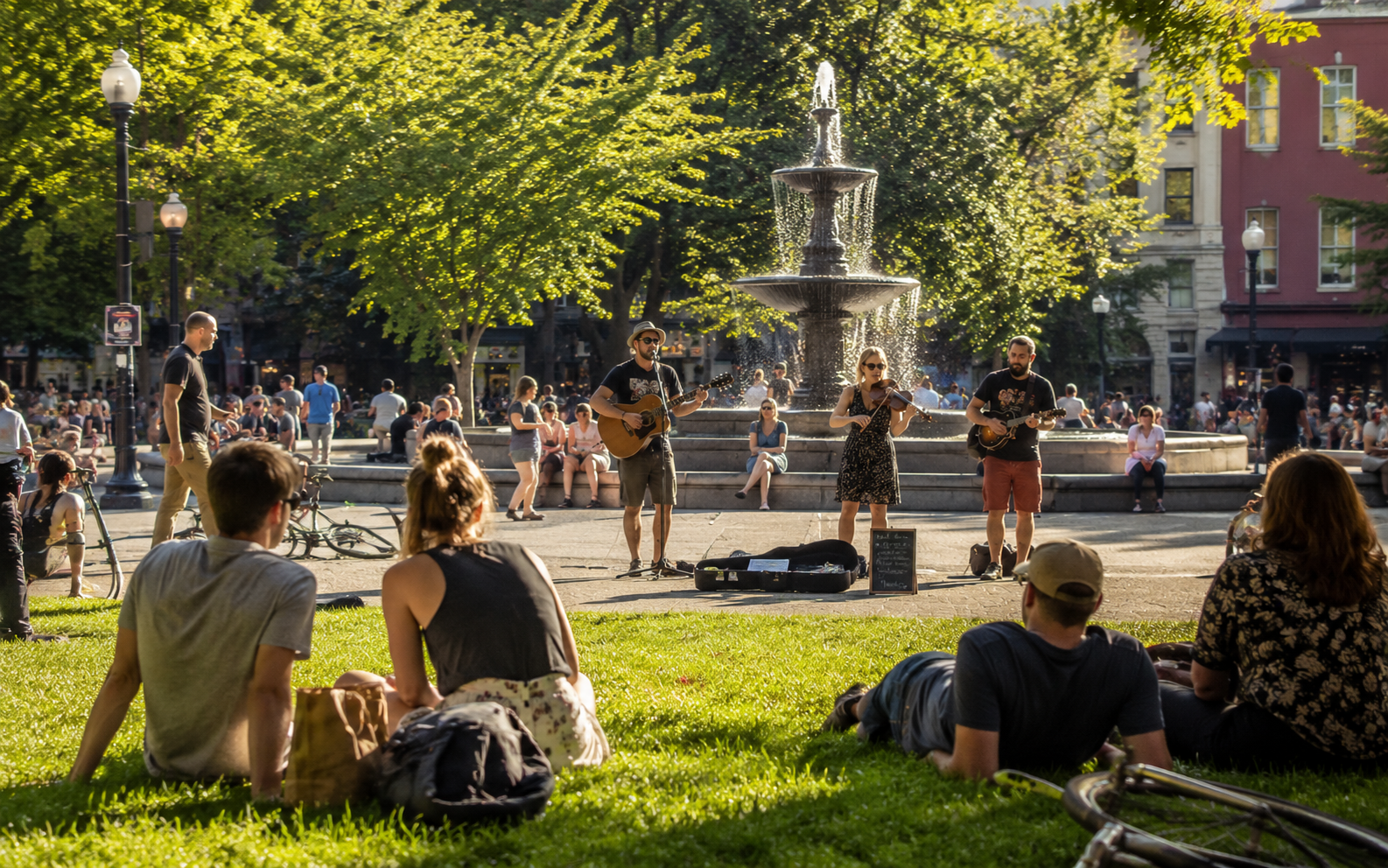
Before theme parks, before cinemas, before streaming services, there were street performers. Jugglers, musicians, acrobats, magicians, storytellers and fire-breathers have been entertaining crowds in public spaces for thousands of years. The tradition is as old as cities themselves, and in many parts of the world, it's thriving like never before. Today's best street performers are trained professionals who choose the streets over stages — not because they couldn't get a gig, but because the spontaneity and intimacy of a pavement audience can't be replicated in a theatre.
Public art, too, has moved far beyond the bronze statues of generals on horseback that defined civic decoration for centuries. Modern public art includes murals that cover entire buildings, kinetic sculptures that move with the wind, light installations that transform spaces after dark and interactive works that invite you to become part of the piece. Together, street performance and public art turn ordinary cities into open-air galleries and theatres — and the admission is always free.
Where to Find the Best Performers
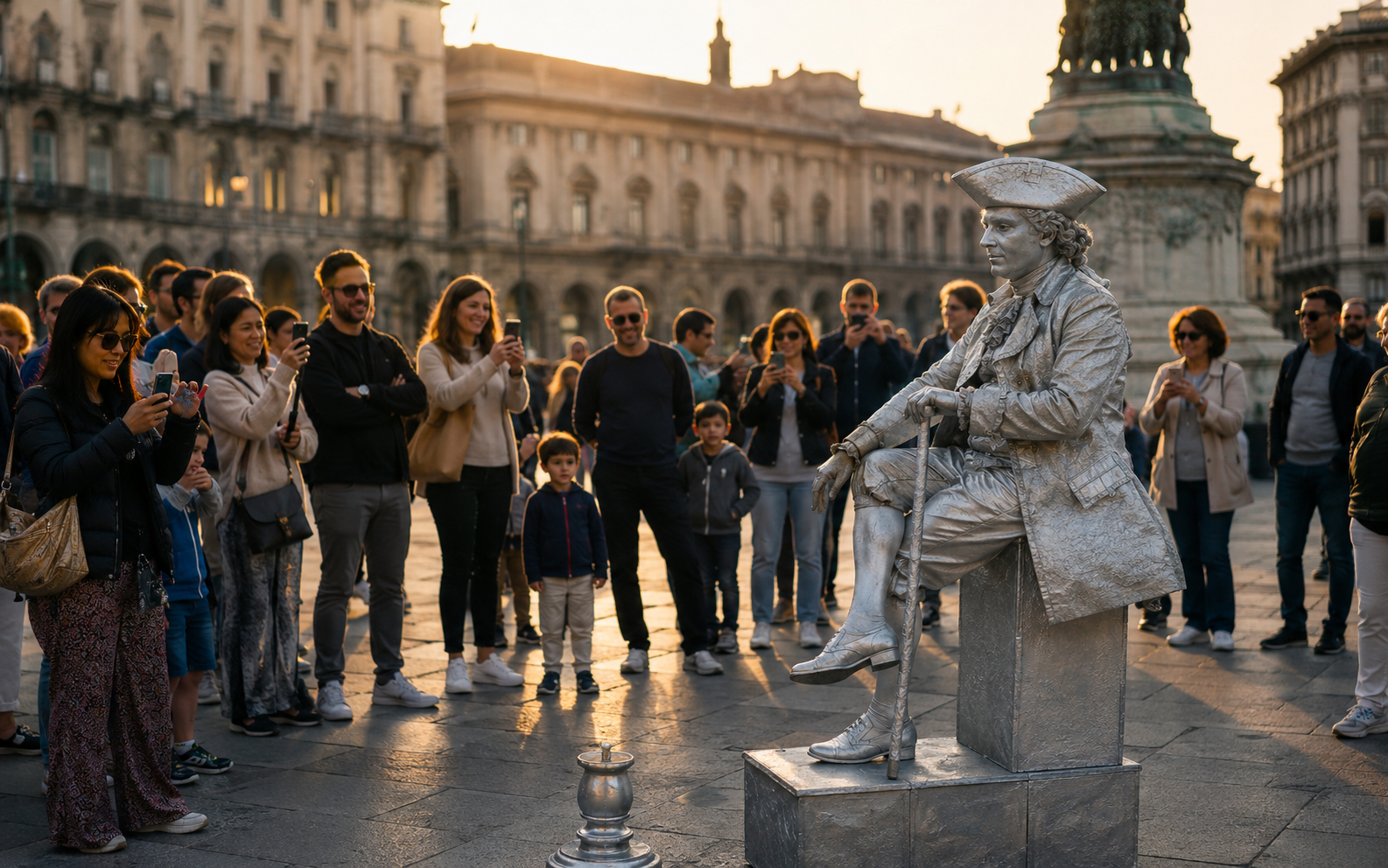
Some cities are legendary for their street performance scenes. Barcelona's La Rambla is perhaps the most famous — a tree-lined boulevard where living statues, flamenco guitarists and acrobatic troupes compete for attention along a pedestrian strip that runs from Plaça de Catalunya to the harbour. Covent Garden in London has a regulated performance space where acts must audition for a licence, ensuring a consistently high standard. If you visit Time Out's guide to things to do in any major city, you'll find that street entertainment consistently ranks among the top free activities.
In New York, Washington Square Park hosts jazz musicians, slam poets and breakdancers on any given afternoon. New Orleans' French Quarter is a non-stop showcase of brass bands, jazz combos and tap dancers. Melbourne's laneways harbour both street art and buskers, often side by side, creating an experience that's half gallery visit, half live concert.
The Rise of Urban Art
Street art has undergone a transformation from vandalism to high art in the space of a generation. Artists like Banksy, Shepard Fairey and JR have brought global attention to the medium, but the real story is in the thousands of local artists who are transforming neglected neighbourhoods into destinations. Penang in Malaysia has turned its street art into a major tourist draw, with painted murals on shophouse walls that visitors seek out with dedicated walking maps.
Cities like Valparaiso in Chile, Bushwick in Brooklyn and Hosier Lane in Melbourne have become pilgrimage sites for art lovers. What makes these places special isn't just the quality of the work — it's the fact that it exists in a living environment. The art ages, gets painted over, evolves. A mural you photograph today might be completely different next year. That impermanence is part of the appeal.
Why It Matters
Street performance and public art matter because they democratise culture. You don't need a ticket, a reservation or a dress code. A child watching a busker in a town square is having the same cultural experience as an adult at a concert hall — and sometimes a better one. These art forms belong to the street, to the people walking past, to the city itself. They remind us that entertainment doesn't have to be packaged, priced and sold. Sometimes it just happens, right there on the pavement, and all you have to do is stop and watch.