Nobody Likes Waiting — Or Do They?
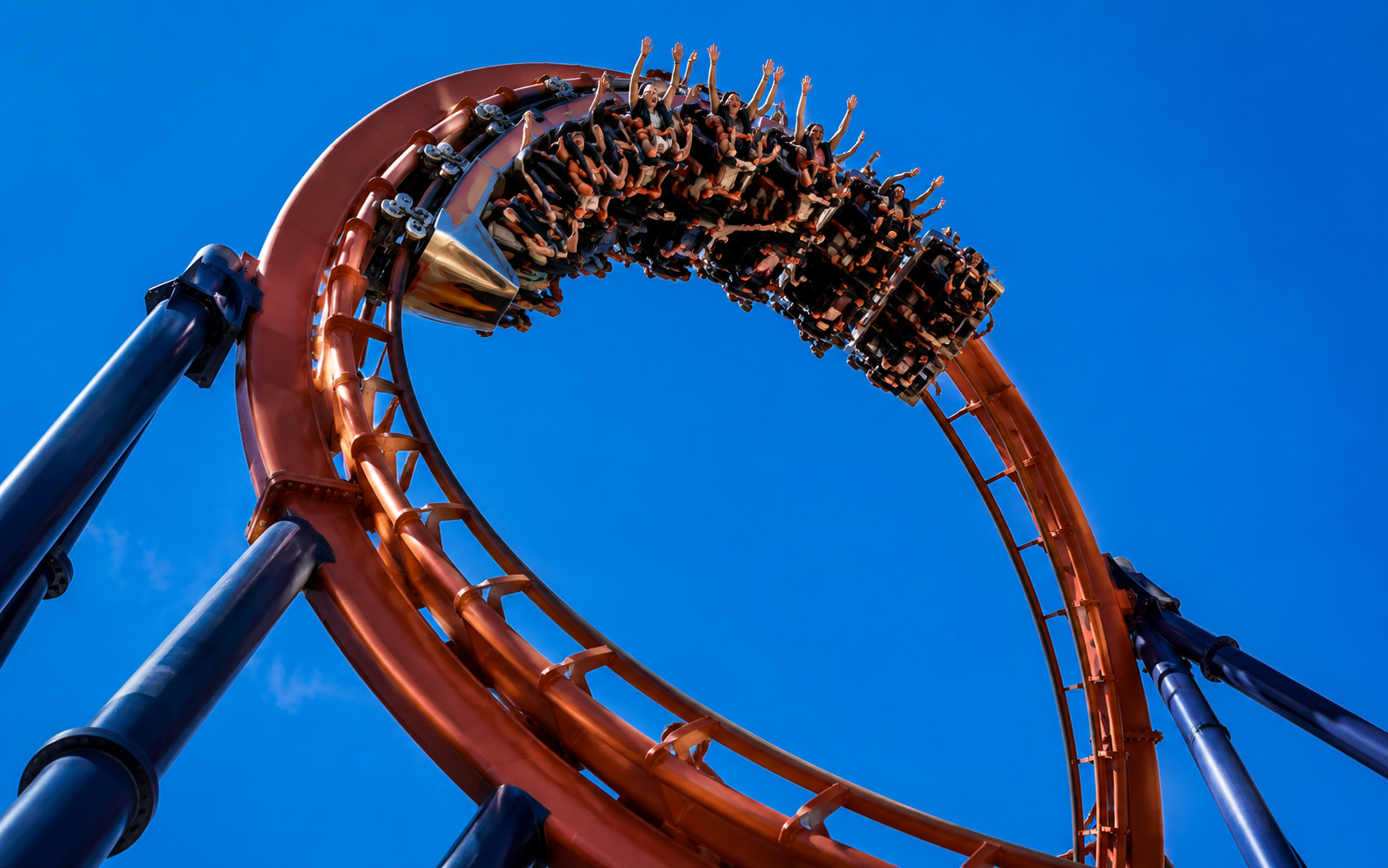
Ask anyone what they hate most about theme parks and the answer is almost always the same: the queues. Standing in line for 90 minutes in the sun, shuffling forward a few steps at a time, surrounded by restless children and the distant screams of people who got there first. It sounds miserable. And yet, some of the world's most popular rides have wait times that routinely exceed two hours — and people keep coming back.
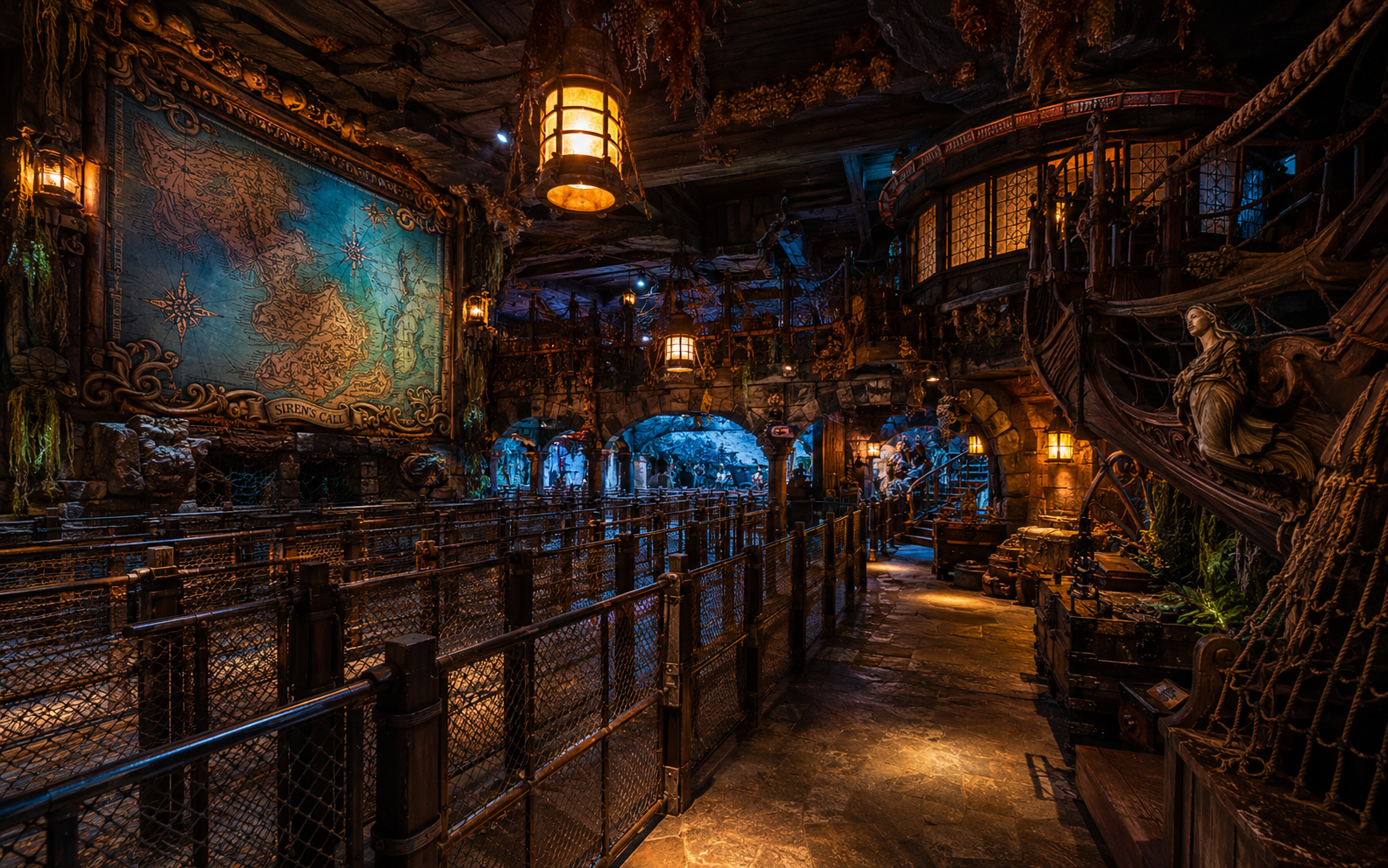
The reason is that modern theme parks have turned queue design into an art form. The best queues aren't just holding pens — they're experiences in themselves, carefully engineered to manage expectations, distract from the passage of time and build anticipation for what's coming next. The concept traces back to early amusement park design, where operators first realised that the environment around a ride mattered as much as the ride itself.
The Psychology of the Wait
Disney pioneered the science of queue psychology in the 1970s. Their research found that occupied waits feel shorter than unoccupied ones, that uncertain waits feel longer than known ones, and that unfair waits feel longer than equitable ones. These findings shaped everything from the introduction of posted wait times to the addition of interactive elements within queue lines.
Today, rides like Flight of Passage at Disney's Animal Kingdom feature queues that include bioluminescent caves, floating mountains and detailed scientific laboratories. By the time you reach the loading platform, you've already been on a 30-minute journey through an alien world. The wait didn't feel like 90 minutes because your brain was processing new information every few steps.
Themed Environments and Storytelling
Universal Studios took queue design further with attractions like Hagrid's Magical Creatures Motorbike Adventure. The queue winds through Hagrid's hut, past magical creatures and into the Forbidden Forest. Props, lighting and sound design create a sense of narrative progression — you're not waiting for a ride, you're walking into a story.
Even smaller parks have learned from this approach. Phantasialand in Germany threads its queues through elaborately themed environments that rival anything in Orlando. Efteling in the Netherlands uses fairy-tale storytelling in its queue areas, keeping children engaged while parents appreciate the craftsmanship. The principle is universal: give people something to look at, and time moves faster.
The Future of Waiting
Virtual queues, mobile apps and timed reservations are changing the game again. Disney's Lightning Lane and Universal's Express Pass systems let guests pay to skip physical queues entirely. Some parks are experimenting with augmented reality games that turn the queue into a competitive experience, rewarding players with in-ride bonuses.
But the physical queue isn't going away. For many guests, the slow build of anticipation is part of the thrill. Hearing the screams get louder, catching glimpses of the track through themed windows, feeling the rumble of the ride mechanism beneath your feet — these sensory cues are impossible to replicate on a phone screen. The perfect queue doesn't eliminate the wait. It transforms it into something you'll actually remember.